February 25, 2026
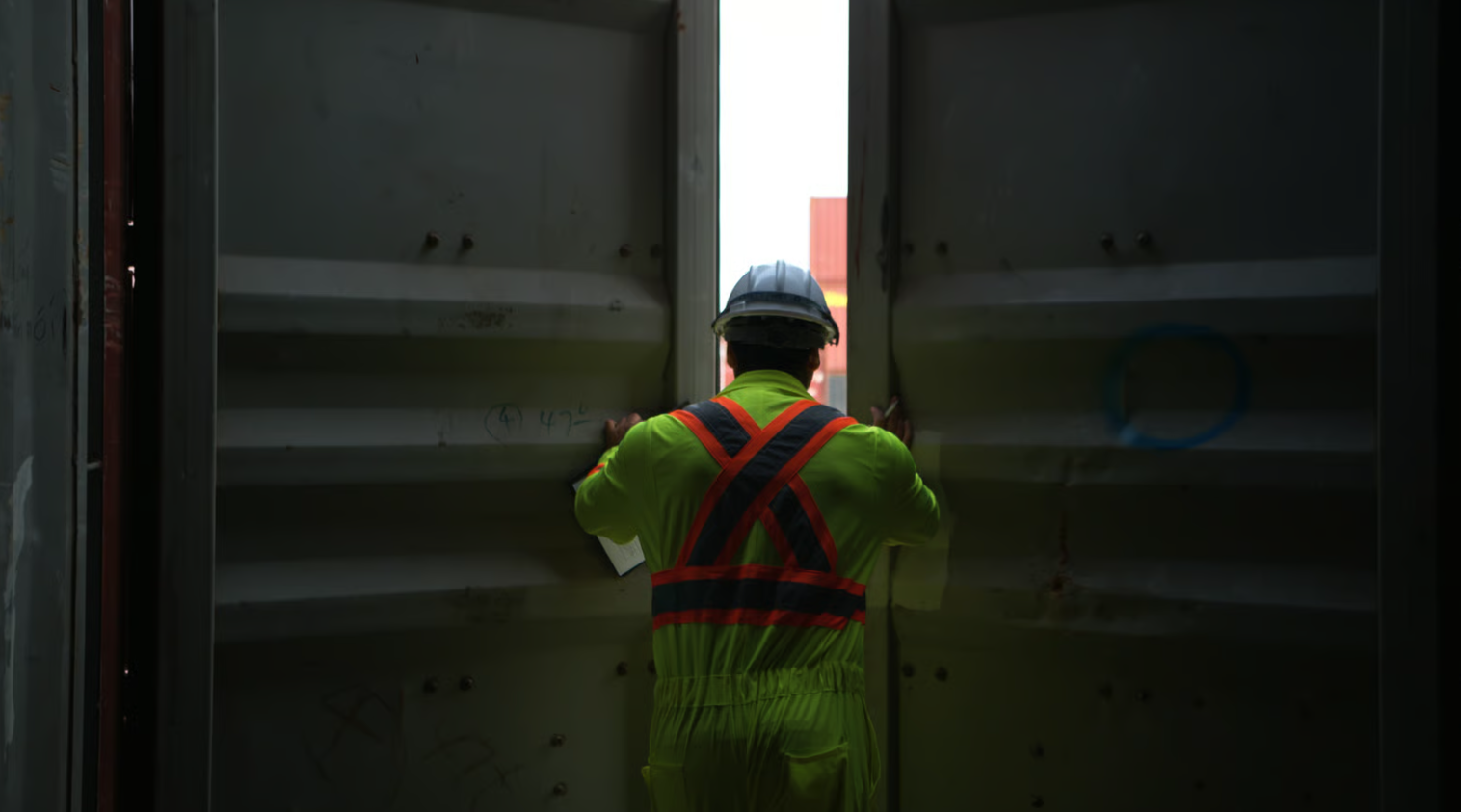
The trades industry is walking through the door into a new era of hiring methods
For a long time, traditional hiring in the trades survived on familiarity.
Post a job.
Collect applications.
Sort through résumés.
Schedule interviews.
Make an offer.
It wasn’t elegant, but it was accepted. It was the default.
Today, that default is being questioned.
Across the trades, employers aren’t simply frustrated with hiring. They are rethinking the assumptions behind it. The idea that more applicants create better outcomes. The idea that résumés reveal reliability. The idea that longer funnels produce stronger hires.
Those assumptions made sense in a different environment. They make less sense now.
In the trades, hiring is not an abstract administrative function. It is operational. When a position stays open, work slows down. When a hire falls through, schedules shift. When an interview turns into a no-show, the cost is immediate and visible.
Traditional hiring systems were not designed around that reality. They were designed around volume and scale. They assume dedicated hiring teams, time to filter, and the ability to absorb inefficiency. Most small and mid-sized trade businesses do not operate that way.
They hire between job sites.
After hours.
Under pressure.
When a system built for enterprise workflows is dropped into a small crew’s daily rhythm, friction is inevitable. More applications do not create clarity. Automated filters do not measure accountability. Longer screening processes do not guarantee commitment.
The result is activity without confidence.
That’s why the rethink is happening.
Employers are becoming more direct earlier. They are discussing pay, schedule, and expectations upfront instead of later. They are paying closer attention to responsiveness and communication before investing in interviews. They are prioritizing alignment over sheer availability.
In subtle but important ways, hiring is shifting from volume-driven to visibility-driven.
This shift is not dramatic. It is practical.
It shows up in shorter decision cycles.
In fewer but more intentional conversations.
In processes that mirror how the trades actually function — direct, outcome-focused, and time-sensitive.
The job board era is not disappearing overnight. But its dominance is weakening. Employers are recognizing that a system designed to maximize applications is not the same as a system designed to maximize alignment.
That distinction marks a turning point.
The end of traditional hiring in the trades does not mean the end of standards. It means the end of systems that treat paperwork as a proxy for reliability. It means moving away from bloated funnels and toward clearer signals.
Better hiring is not about chasing technology for its own sake. It is about removing friction. It is about designing processes that respect skilled work and the realities of running a business at the same time.
The employers leading this shift are not trying to be disruptive. They are trying to be practical. They are responding to labor shortages, tighter margins, and higher expectations on both sides.
And in that environment, clarity wins.
The future of trades hiring will not be defined by bigger funnels or louder postings. It will be defined by earlier transparency, faster alignment, and systems built for how real work gets done.
The rethink is already underway.
The end of traditional hiring in the trades is not a prediction.
It is a transition in progress.
If you’re ready to move beyond volume-driven systems and toward a hiring process built for the realities of skilled work, download the Collars app and see how trades hiring is evolving.
Download our the Collars app now and start applying now.
Download

Collars is building a better future for the trades, by matching applicants and employers through a platform designed for real people, lasting careers, and the next generation of tradespeople.
.svg)