April 7, 2026
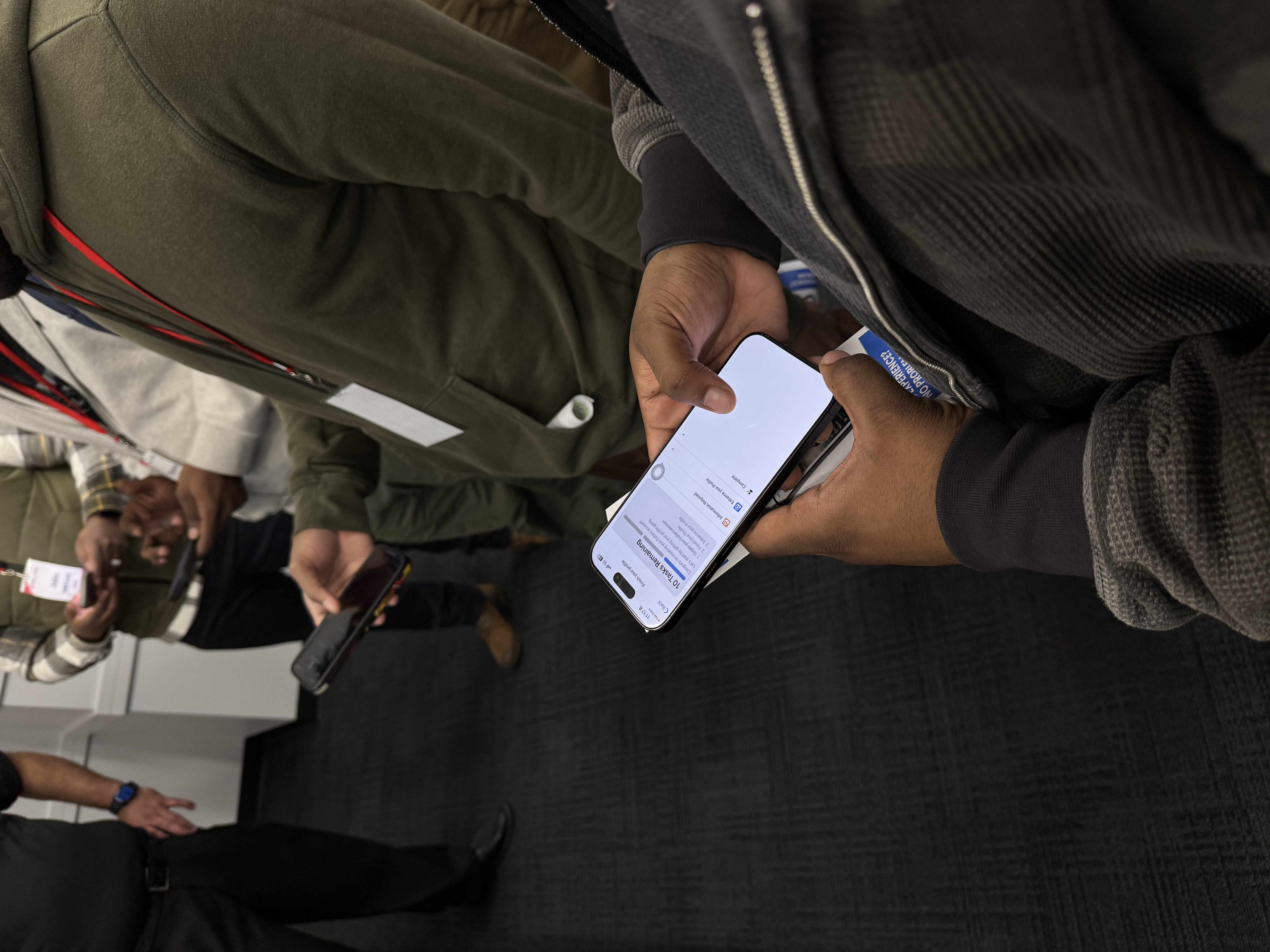
Hiring Technology Like Collars Looks to Move the Trades Forward and Bridge the Gap in the Labor Shortage
For a long time, hiring in the trades has followed the same pattern. Referrals, word of mouth, job boards, and a lot of waiting. When a role opens up, the process starts. Post a job, ask around, sort through applicants, and hope the right person comes through.
That approach worked when demand was lower and timelines were more forgiving. But that’s not the environment most contractors are operating in anymore.
Today, work moves faster. Projects stack up, timelines are tighter, and crews don’t have much room for delays. When someone leaves or a new role opens up, the impact is immediate. Jobs slow down, overtime increases, and the rest of the crew has to adjust to fill the gap.
The problem isn’t just that hiring takes time. It’s that the process itself hasn’t kept up with how quickly the work moves.
This is where digital hiring is starting to change things.
Instead of treating hiring as a one-time event, modern tools make it possible to stay connected to a pool of applicants continuously. Employers aren’t starting from zero every time they need someone. They already have visibility into who’s out there, what kind of work they’ve done, and whether they’re a potential fit for the crew.
That shift alone reduces downtime.
When you can identify and reach out to the right people quickly, the gap between needing someone and actually bringing them on gets smaller. That means less disruption on the jobsite and fewer situations where crews are stretched thin trying to keep up.
It also improves how well people are matched to the work.
Traditional hiring methods rely heavily on resumes and short interactions. But in the trades, that doesn’t always tell the full story. How someone works, how they communicate, and what they’ve actually built or worked on matters just as much as their listed experience.
Digital hiring tools give employers a better view of that. Profiles, work samples, and direct communication make it easier to understand who someone is before they ever step onto a jobsite.
That leads to better decisions.
Instead of hiring based on limited information and hoping it works out, employers can be more intentional about who they bring on. Over time, that improves crew performance, reduces turnover, and creates a more consistent workflow across projects.
There’s also a broader shift happening in how workers approach opportunities.
Applicants aren’t just waiting for jobs to be posted anymore. They’re looking for roles that fit their preferences, whether that’s pay, location, or type of work. Digital platforms make that matching process more efficient for both sides, helping the right people connect faster.
For employers, that means access to a more active and engaged talent pool.
This isn’t about replacing relationships or referrals. Those will always matter in the trades. It’s about adding a layer of visibility and speed that the traditional process doesn’t provide.
Because in today’s environment, the companies that move faster have an advantage.
Hiring delays don’t just cost time. They affect productivity, project timelines, and overall business performance. The ability to reduce that lag, even by a few days, can have a meaningful impact.
That’s where digital hiring is making a difference, and it’s exactly what platforms like Collars are built around. Giving employers a better way to connect with applicants, understand who they are, and make decisions faster without sacrificing quality.
At the end of the day, hiring is still about people. That hasn’t changed.
What’s changing is how quickly and effectively you can find the right ones.
Download our the Collars app now and start applying now.
Download

Collars is building a better future for the trades, by matching applicants and employers through a platform designed for real people, lasting careers, and the next generation of tradespeople.
.svg)