April 6, 2026
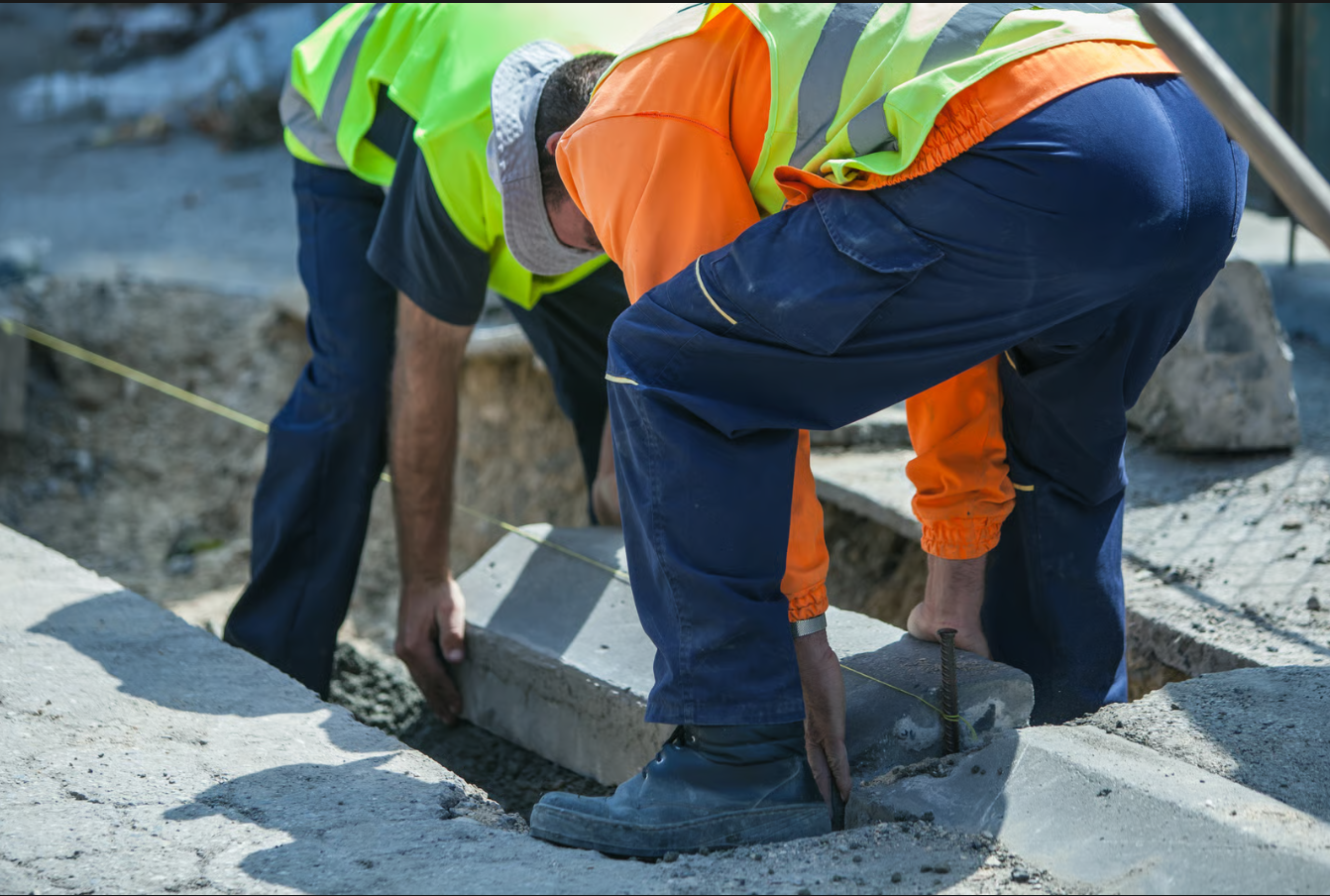
In the trades, ensuring you have a team, and not just a group of workers, is a key to success
Most hiring decisions in the trades start the same way. Employers look at experience, the type of work someone has done, and the tools they know how to use. Those are the easiest things to measure, so they tend to carry the most weight when it comes time to make a decision.
But on a real jobsite, those aren’t always the things that determine whether someone actually works out.
There’s a difference between someone who can do the job and someone who makes the crew better. A worker can come in, handle their responsibilities, and check the boxes. On paper, they look like a solid hire. The work gets done, tasks are completed, and everything seems fine at a surface level.
But over time, how that person operates starts to matter more than what they know. If they don’t communicate clearly, don’t adjust when things change, or don’t support the people around them, it creates friction. That friction doesn’t always show up immediately, but it slows things down. Tasks take longer, coordination becomes harder, and the overall flow of the jobsite starts to break down.
A teammate operates differently. They still bring the necessary skill, but they also understand how to function as part of a crew. They communicate, step in when something needs to get done, and stay aware of what’s happening around them. They don’t just focus on their own work. They contribute to how the entire team operates.
That difference is what keeps jobs moving.
The challenge for employers is that this isn’t something you can easily see ahead of time. A resume won’t tell you how someone handles pressure, how they communicate with others, or whether they’re going to add to the crew or create friction. Years of experience don’t always translate to how someone shows up on a jobsite.
That’s why so many hires look right on paper but don’t fully work out once they’re in the field.
And when that happens, the cost isn’t always obvious right away. It shows up in slower progress, miscommunication, and crews that aren’t operating as efficiently as they should. Over time, that affects timelines, productivity, and the overall performance of the business.
This is where hiring needs to evolve.
If the goal is to build strong crews, not just fill roles, then the evaluation process has to go beyond technical ability. Employers need better ways to understand how someone presents themselves, how they communicate, and how they approach their work before they ever step onto a jobsite.
That’s the gap we’re focused on closing with Collars. Giving employers more visibility into who someone is, not just what’s listed on a resume, so they can make more informed decisions about who actually fits their crew.
Because the difference between a worker and a teammate isn’t small. It’s what determines how well the entire crew performs.
Download our the Collars app now and start applying now.
Download

Collars is building a better future for the trades, by matching applicants and employers through a platform designed for real people, lasting careers, and the next generation of tradespeople.
.svg)